When sourcing power and distribution transformers, one of the most frequent technical questions from buyers is whether to select copper winding or aluminum winding units. The decision is rarely based on price alone. Project owners, EPC contractors and utility engineers need to evaluate total cost of ownership (TCO), long-term reliability, heat performance, maintenance workload and upfront capital budget.
As a professional transformer manufacturer from China, Xinhong Electrical produces both copper-wound and aluminum-wound dry-type and oil-immersed transformers from 100kVA up to 25MVA, complying with IEC 60076, ISO, CE and CB standards. This guide breaks down the core differences to help you make a project-fit selection.
Aluminum winding transformers usually come with a lower initial purchase price. Aluminum raw material is cheaper than copper, so manufacturers can offer a 10%–20% lower quotation for the same kVA rating. This makes aluminum-wound transformers attractive for budget-limited projects with light or intermittent load.
Copper winding transformers carry higher upfront cost. Copper has higher raw material cost and stronger price volatility. However, the higher CAPEX is only the first part of the calculation.
Xinhong Electrical Tip: We can provide both copper and aluminum winding options for your distribution, solar and substation projects, with clear cost breakdowns for your tender.
TCO = purchase price + energy loss cost over service life + maintenance cost + replacement cost. This is the most critical factor for transformers that run continuously for 20–30 years.
Aluminum winding transformers can still deliver good TCO if your transformer only works occasionally or at low load rates.
Reliability covers short-circuit resistance, thermal expansion, anti-oxidation and connection stability.
For dry-type transformers with cast resin insulation, temperature stability is extra important. Many indoor and high-density load projects choose copper winding for higher reliability.
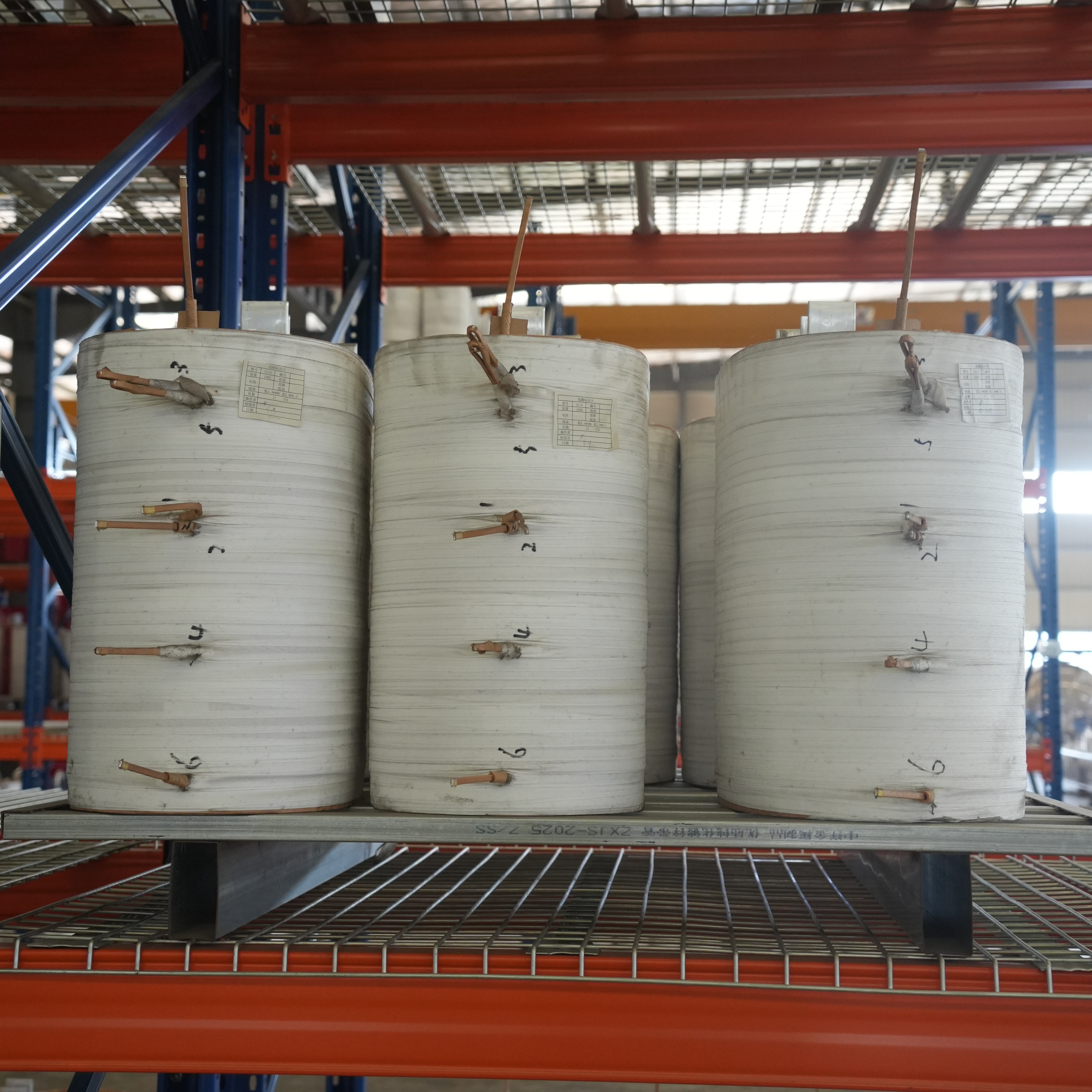
✅ Choose copper winding transformer for:
✅ Choose aluminum winding transformer for:
A: No. The best choice depends on your load profile, running hours and budget. Aluminum winding transformers are a cost-effective choice for low-duty-cycle applications. Xinhong Electrical will recommend the winding material according to your site condition.
A: Yes. At Xinhong Electrical, we build oil-immersed and dry-type transformers with pure copper or aluminum windings, fully customized to your voltage, kVA and protection requirements. All units pass factory testing before delivery.
A: IEC 60076 covers both winding materials. The core evaluation index is loss value, temperature rise and short-circuit capability, not conductor material itself.
Copper winding transformers win on reliability and long-term TCO for continuous heavy-load applications, while aluminum winding transformers offer obvious advantages in upfront purchase price for low-load or backup power projects.
Before ordering, clarify your load cycle, expected service life and maintenance plan. You can send your technical specification to Xinhong Electrical for a tailored quotation and technical proposal.

